
Ethiopia Briefing
plus some remarks on the Rwanda Sanctions

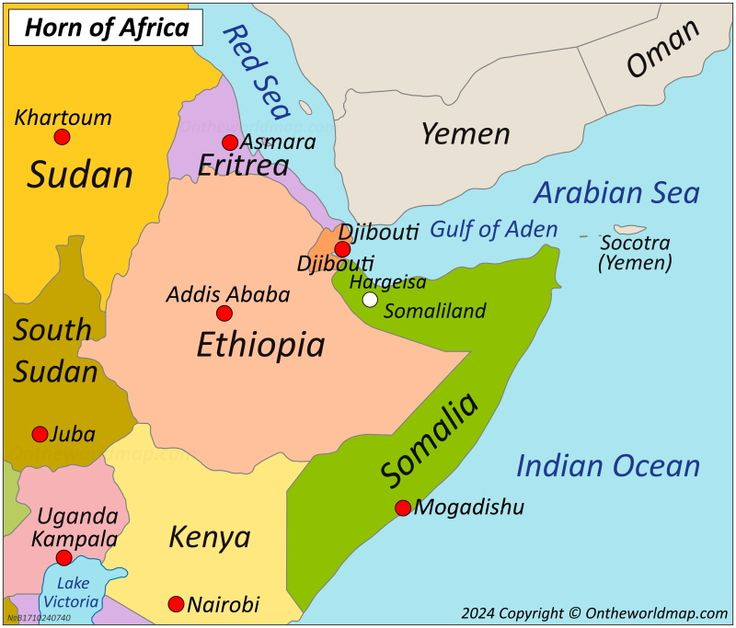
There are several crisis spots that have the potential of being overlooked since the initiation of kinetic action in Iran.
For several weeks now there have been rising concerns in the Horn of Africa regarding whether war will indeed break out. That question should be framed to ask not if war will break out. The question should be when and where hostilities will resume.
It was just a week ago that AEI had an excellent event with various data points showing some of the fault lines in the region and how Saudi Arabia, the Emirates, Turkey and Israel are supporting various actors in several conflicts in the Red Sea basin. This area has become a vital part of the global economy since hostilities began in Iran at the end of February.
One of the countries that currently is a source of angst in the region was the subject of a Congressional briefing on March 2nd. The timing of this briefing was on point as well. The hearing was regarding the situation in Ethiopia.
Two events marked the importance of this briefing. On February 27th reports emerged that 21 members of the Ethiopian Orthodox Church including a Priest were killed in the Sherka district of Arsi in Oromia State in the Southern part of the country. Events in this part of Ethiopia rarely create the news coverage like what was witnessed during the Tigray war however the situation is just as volatile. What is a challenge is that in its 2025 annual report documenting events that took place the previous year, The United States Commission on International Religious Freedom made no recommendations regarding Ethiopia to be designated as a Country of Particular concern nor be placed on the Special Watch List
Also, on March 2nd we saw a story that may have provided confirmation that the Ethiopian Government of Prime Minister Abey Ahmed not only is now involved in a regional conflict but also trying to bury its role from prying eyes. On that date the Sudanese Military Council the de facto regime in charge warned Ethiopia against “Hostile Behavior” for allowing its territory to be used by the Rapid Support Forces to launch attacks into Sudan. It further stated that Khartoum reserved the right to respond to these violations.
This action highlights two problems for Abey. First off, this statement will be seen by some as confirmation of some media reports from the last couple of weeks that the RSF has set up a base in Ethiopia. A statement from the Sudanese Foreign Ministry claimed that “the government monitored the entry of drones from Ethiopian territory throughout February and early March targeting sites in Sudan.”
The Ethiopian Government expelled three journalists from Reuters after reporting the existence of the facility. The current regime has a hostile policy regarding Freedom of the Press, so sadly this is not much of a surprise. It also highlights the love that the current regime has for UAVs. They were used successfully in the Tigray conflict that ended in 2022 and are currently being used in Amhara currently without the international scrutiny that was seen in Tigray.
There is a chance to hold the Ethiopian Government accountable for its actions. Last September Congressman Buddy Carter (R-GA 1) introduced H Res 937 which condemns the current leadership in Addis for its actions that threaten regional stability, violate fundamental human rights and undermine the strategic interests of the United States in the Horn of Africa.
Passing this Resolution will be a great start to holding Addis Accountable and it needs to happen as quickly as possible.
Now a few words about the other breaking news of the day.. The news that the Trump Administration levied sanctions against the Rwandan Defence Force and four other individuals caught some by surprise.
However the body count in the Kivus continues to rise and the discovery of two mass graves with 172 bodies in them made this an easy decision for the Administration. Words do matter as well as accountability...Kigali was moving too slow or untrustworthy for the Administration.