
An AFRICOM Symposium
Helping Chaplains in West Africa

Capacity Building. This is a term that is often bandied about by some while others don’t comprehend what is being said. The vagueness of the concept to those outside the security space is paramount.
The term is often used to describe how infantry or engineering troops learn to react and overcome complex threats to national security such as insurgencies, natural disasters, and even epidemics. However, there is one branch of the military that is often overlooked when it pertains to their capacity, and that is the Chaplain Corps.
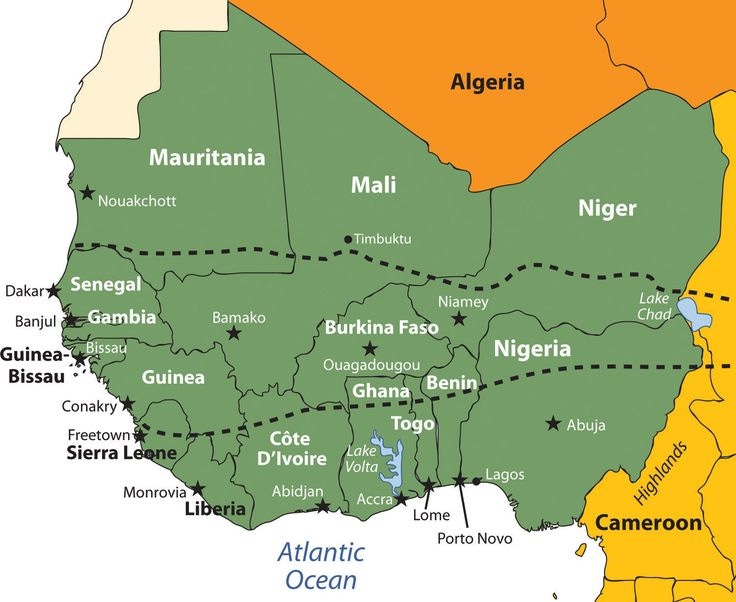
How can this issue be resolved? A symposium organized by AFRICOM (U.S. Africa Command) and the Ghanian Armed Forces that began on July 14 and ended on July 16 had the goal of addressing this impasse. By focusing on the spiritual readiness and emotional well-being of service members, the symposium helps build a unified, resilient military coalition capable of addressing shared security challenges. The West Africa Religious Affairs Symposium was held in Accra, Ghana and ten regional states attended the event.
The Participating nations include Benin, Burkina Faso, Cote d’Ivoire, Gabon, Gambia, Ghana, Liberia, Nigeria, Sierra Leone, and Togo. The event also features U.S. military personnel representing the State Partnership Programs of California, the District of Columbia, Michigan, North Dakota, Pennsylvania, and West Virginia.
After wrapping up the U.S. State Department organized a digital briefing where Colonel Keven Forrister the Chaplain for Africa Command and his senior enlisted leader Sergeant Major Herinah Assah.
In his opening remarks, the Chaplain addressed two crucial questions. Which is why have the summit now and what is the strategic value of doing so? His answers to these questions were straight forward. “The timing is critical because our partner forces are operating in increasingly complex, high-stress security environments. There are threats and challenges many of our partner nations face that impacts this critical region. The 10 West African nations gathered here this week are completely united in their commitment to provide for and protect the spiritual well-being of their forces, and they do so in a way that honors the faith traditions and the values of the various service members”.
The Chaplain would further address the importance of this symposium: “This symposium simply brings these religious leaders together to broaden their cooperation and commitment to use religion as a unifying force for peace and stability. If I were explaining the strategic value of WARAS to policymakers in Washington, I would say this: Across Africa, there is not a single country where religion is not a significant factor influencing the people and the culture. In the military, we call this a center of gravity. Regional stability and prosperity require institutional strength, ethical practice, and the moral foundation that religious traditions provide. Chaplains possess a unique and strategic advantage of being able to instill those virtues and values in their respective military communities.
Because we operate in harmony with our respective faith traditions, chaplains can engage partner nations on the foundational levels of culture, faith, and shared humanity that transcends traditional barriers. By bringing these religious leaders together, we are building bridges where others cannot, establishing a shared framework of trust and interoperability across West Africa.”
Topics that were addressed in the symposium according to a Press Release by AFRICOM included post-traumatic stress disorder, moral injury, ethics, enlisted leader development, ministry in combat, and family care.
The last paragraph in the AFRICOM Press Release is succinct and a great ending point.
“Through events like WARAS, AFRICOM remains committed to strengthening ties with its African partners. By empowering military chaplains to foster ethical leadership and spiritual resilience, the U.S. and its allies are building a unified front capable of countering shared threats and maintaining regional stability across the continent.”